Mastering Hybrid Team Management with Modern Remote Leadership Strategies


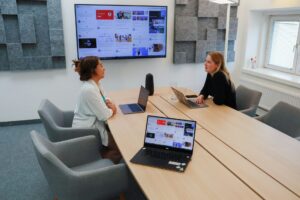
The workplace has changed dramatically in the last few years. Many companies now operate with teams that split time between the office and remote locations. Because of this shift, leaders must guide employees through digital channels while still maintaining strong professional standards. Successful managers understand that remote leadership requires intention, clarity, and adaptability. In fact, building a strong remote collaboration mindset helps leaders keep teams connected and productive even when employees work from different locations.
At the same time, hybrid work brings new opportunities for flexibility and efficiency. Employees can focus more effectively, balance their responsibilities, and contribute from wherever they work best. However, leaders must guide this flexibility with structure and communication. When managers create clear expectations and supportive systems, they help employees stay accountable and engaged. As a result, hybrid teams can perform just as well, or even better, than traditional office teams.
Understanding the New Reality of Hybrid Work
Hybrid work has quickly become a standard model across many industries. Organizations now combine remote work with scheduled office days so employees can collaborate while still enjoying flexibility. Because of this structure, leaders must manage teams that may not share the same workspace every day. This shift requires a different leadership approach than traditional office management.
In the past, managers often relied on physical presence to monitor progress and guide employees. However, hybrid leadership emphasizes results and communication. Leaders must define clear goals and ensure that employees understand their responsibilities. Additionally, consistent digital communication helps prevent misunderstandings. When leaders focus on outcomes rather than location, teams can maintain high levels of performance.
Setting Professional Expectations in Remote Work
Professional behavior remains essential regardless of where employees work. However, remote environments sometimes create confusion about workplace expectations. Therefore, leaders must clearly explain guidelines for communication, meeting participation, and response times. When employees understand these expectations, they can maintain professionalism even while working from home.
Equally important, leaders should demonstrate the same professional behavior they expect from their teams. For instance, attending virtual meetings, preparing, being, and responding respectfully to messages, reinforces a culture of accountability. Employees often mirror the behavior they observe from leadership. Consequently, consistent leadership actions foster professionalism throughout the organization.
Creating Clear Communication Structures
Communication challenges often appear when teams operate remotely. Without casual office conversations, employees may miss important updates or feel disconnected from colleagues. Because of this, leaders must design communication systems that keep information flowing smoothly.
Regular team meetings, project updates, and shared digital workspaces help maintain clarity. Moreover, leaders should encourage employees to ask questions and share ideas freely. Open communication helps teams solve problems quickly and reduces misunderstandings. Over time, strong communication habits create a supportive environment where everyone stays informed and confident about their work.
Encouraging Productivity Through Clear Goals
One of the most effective ways to manage remote teams is to set measurable goals. When employees know what they need to accomplish, they can organize their time more efficiently. Leaders should focus on outcomes instead of monitoring every step of the process. This approach empowers employees to take ownership of their responsibilities.
Additionally, managers should check progress regularly to ensure projects stay on track. Short status meetings or digital updates help leaders identify obstacles early. During these conversations, leaders can offer support and guidance when needed. As a result, employees remain motivated while still feeling trusted to complete their work independently.
Building Strong Team Relationships Remotely
A strong workplace culture plays an important role in team performance. However, remote work can sometimes reduce social interaction among employees. Therefore, leaders must intentionally build opportunities for connection. Virtual discussions, collaborative projects, and informal online gatherings help employees interact beyond daily tasks.
Furthermore, leaders should encourage team members to share ideas and celebrate achievements together. Recognition strengthens motivation and helps employees feel valued. When leaders highlight team successes, they reinforce a positive workplace culture. In the middle of these collaborative efforts, developing distributed team synergy allows employees to combine their skills effectively despite physical distance.
Leveraging Technology for Effective Leadership
Technology forms the backbone of remote leadership. Communication tools, collaboration platforms, and project management systems allow teams to coordinate work across different locations. However, simply providing tools is not enough. Leaders must ensure employees understand how to use these systems effectively.
Training sessions and clear digital guidelines help employees adapt to new tools quickly. Additionally, leaders should simplify workflows by choosing platforms that integrate well with each other. When technology supports communication and project tracking, teams spend less time solving technical issues and more time focusing on their work.
Supporting Employee Well-Being in Hybrid Work
Remote work offers flexibility, but it can also create challenges, such as isolation and burnout. Leaders must remain aware of these potential issues and actively support employee well-being. Regular one-on-one conversations allow managers to understand how employees manage their workload and responsibilities.
Leaders should also encourage healthy work habits such as balanced schedules and reasonable response times. Employees who feel supported by their leaders often perform better and remain more engaged with their work. By promoting a balanced environment, leaders strengthen both productivity and job satisfaction within hybrid teams.
Looking Ahead to the Future of Remote Leadership
Hybrid work is likely to remain a major part of the modern workplace. As organizations continue adapting, leadership styles will evolve as well. Leaders must combine technology, communication, and empathy to guide teams successfully. Those who adapt quickly will help their organizations remain competitive in a rapidly changing world.
Ultimately, remote leadership requires more than managing tasks. It involves building trust, encouraging collaboration, and maintaining professionalism across digital environments. When leaders prioritize transparency and strong relationships, employees feel confident in their roles. In the long run, adopting adaptive leadership for hybrid teams will allow organizations to grow while supporting flexible work arrangements.
The future workplace will rely on leaders who understand both technology and human connection. By guiding teams with clarity and respect, leaders can maintain high professional standards regardless of location. Hybrid work may change how employees interact, but strong leadership ensures that teamwork, accountability, and productivity continue to thrive.